

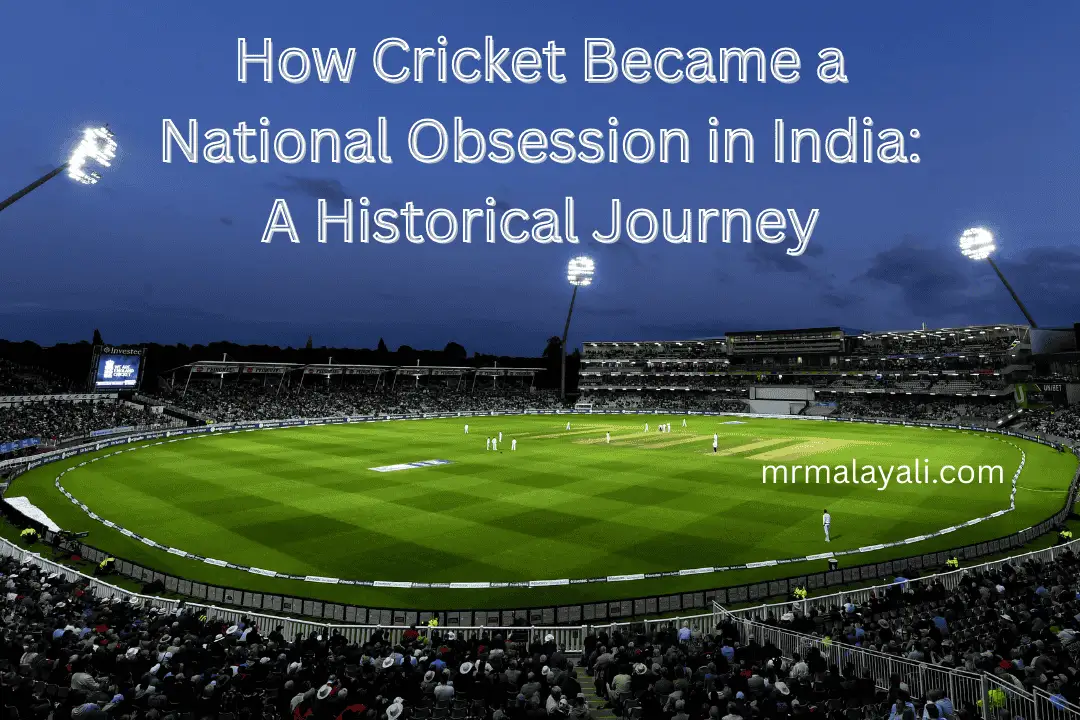
In India, cricket is often described as a religion rather than just a sport. From the narrow streets of small villages to the massive, high-tech stadiums in metro cities, the sound of a leather ball hitting a wooden bat is a part of the nation’s cultural heartbeat. But how did a sport introduced by the British Empire become the most beloved game in a country of over 1.4 billion people? This article explores the historical, social, and economic factors that made cricket the ultimate passion for every Indian.
Contents
1. Historical Roots: The Colonial Legacy
Cricket was introduced to India by British sailors and traders of the East India Company in the early 1700s. Initially, it was a pastime for the colonizers. However, the Indian elite quickly adopted the game. By the early 20th century, tournaments like the Bombay Quadrangular divided teams by religion, which paradoxically helped the sport reach deep into different sections of society. Cricket became a way for Indians to beat the British at their own game, sparking a sense of national pride and identity during the pre-independence era.
2. The 1983 World Cup: The Turning Point
If there is one moment that changed the trajectory of the game forever, it was June 25, 1983. Under the captaincy of Kapil Dev, the underdog Indian team defeated the mighty West Indies at Lord’s to lift the World Cup. Before this victory, hockey was the primary source of sporting glory due to its Olympic gold medals. However, the 1983 win instilled a massive sense of self-belief across the nation. It proved that India could be world-beaters on the global stage. This victory triggered a surge in cricket infrastructure and inspired a whole generation to take up the sport professionally.
3. The Rise of Media and Television
In the late 1980s and 90s, the expansion of television played a crucial role. Live broadcasts brought the stadium experience into the living rooms of middle-class families. The 1990s, coinciding with India’s economic liberalization, saw cricket stars becoming the faces of global brands. Icons like Sunil Gavaskar and later Sachin Tendulkar became household names. The shift from Test cricket to the faster One Day Internationals (ODI) also suited the television audience perfectly, making the game more accessible, exciting, and commercialized.
4. The Sachin Tendulkar Era
For two decades, the popularity of cricket was synonymous with one name: Sachin Tendulkar. For a nation going through significant socio-economic changes, Sachin’s success on the world stage provided a collective identity. When he batted, the country stood still. His humbleness and extraordinary talent created a bridge between generations, solidifying cricket’s place in the Indian psyche as more than just a game. He became a symbol of a new, confident India that could dominate the world through hard work and skill.
5. The IPL Revolution and T20 Cricket
The introduction of the Indian Premier League (IPL) in 2008 was the final step in making cricket a permanent commercial powerhouse. By blending cricket with entertainment and massive corporate investment, the IPL turned the sport into a 24/7 industry. In 2026, the IPL remains a massive cultural ritual, with fans planning their entire schedules around match days. It has also taken cricket to small towns, providing financial security to players and a high-octane experience for fans. The league has made the sport accessible to a younger demographic that prefers fast-paced action.
6. Simplicity and Accessibility
Unlike many other sports that require expensive equipment or specialized courts, cricket can be played anywhere with just a bat and a ball. This ‘Gully Cricket’ culture ensures that every child grows up with the game. Whether it’s using a piece of wood for a bat and a tennis ball in a backyard or a parking lot, the simplicity of the game makes it a sport for the masses. This grassroots connection is the foundation of its enduring popularity.
7. Digital Transformation in 2026
Today, with the growth of high-speed internet and advanced streaming platforms, cricket consumption has reached record levels. The T20 World Cup and IPL seasons are now celebrated like national festivals. Statistics show that cricket engagement is no longer just about the match day; it’s a continuous cycle of news, statistics, and social media discussions that keep the passion alive throughout the year. The accessibility of live scores and highlights on smartphones has ensured that even the busiest individuals can stay connected to the game.
ചുരുക്കത്തിൽ (Conclusion)
Cricket’s popularity in India is a result of a perfect storm: a colonial history, a miraculous World Cup win in 1983, the rise of iconic superstars, and the commercial genius of modern leagues. It is a sport that unites a diverse nation like nothing else. As long as there is a street in India and a child with a dream, the game of cricket will continue to reign supreme. It remains the ultimate thread that binds the diverse fabric of the Indian subcontinent together.